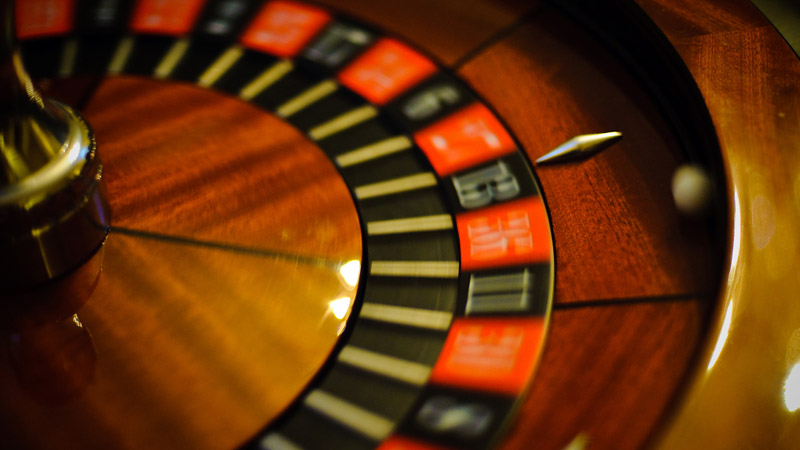
Riga seems set to see an influx of wealthy Russians looking to splash some cash. Photo by Conor Ogle.
VILNIUS — Following Russia’s recent ban on gambling outside of designated regions of the country, the head of Russian Gaming Business Development Association said that Russian gamblers would probably head en masse to the Baltic states resulting in a wave of tourism.
Local gambling organizations said they see the ban, which went into effect at the start of June this year, as an opportunity to get more customers.
“We haven’t felt any dramatic change in incoming tourists, but what we are doing is revising our strategies and thinking of the Russian market as a new strategy – since Russia and Ukraine have dramatic changes, there is potential there,” Andrius Macikas, Marketing Manager of Olympic Casino Lithuania told Baltic Reports.
Riga wins
Macikas said Riga will benefit most from the influx, while Vilnius will suffer because of the lack of flights in and out of Vilnius International Airport.
“I think Riga will have the most probably because they have a huge Russian minority and they have strong business links with Russia, so naturally have stronger traditions of people coming to Riga. We can benefit from that. Estonia also has a perfect opportunity with Saint Petersburg there,” Macikas said.
Evalda Šiškauskienė, head of the Lithuanian Hotels and Restaurants Association told Baltic Reports that she doesn’t expect the Lithuanian tourism industry to benefit at all from the gambling ban.
“We don’t expect too much of that because of flight numbers to Lithuania. I don’t think rich Russians will go by car or connecting flights. No, this is for Riga,” Šiškauskienė said, adding that in the winter even more flights to Vilnius will be canceled.
Olympic Casino is a Estonia-based gambling chain with casinos and slot machine shops in Lithuania, Latvia and Estonia, as well as Poland, Romania, Belarus and Slovakia. It is the most prominent gambling chain in the region and employs around 4000 employees.
The Russian gambling industry shed 350,000 jobs with 100,000 employees in Moscow alone being shown the door.
Russians can still gamble in the Primorsky Krai, Altai and Kaliningrad Oblasts and Krasnodar Krai and Rostov regions at the border areas.